Whether unschooled or highly structured, religious or secular, all homeschools encounter the same challenges. All successful homeschools exhibit the same essential qualities. This weblog will help you understand and apply those qualities, minimize frustration, and enjoy more success sooner.
The National Financial Educators Council is an independent social enterprise company that provides personal financial education resources to people and organizations with a passion to improve the financial capabilities of citizens in their communities. The NFEC offers solutions that reduce the time, cost, and personnel required to establish a successful and sustainable financial literacy campaign.
This webpage has a list of articles detailing many of the issues and ideas surrounding starting a homeschool support group. You'll find discussions of everything from why you should form a support group, to choosing a leader, to delegating and handling tough situations.
Homeschool is school, but it's home, too--and housework will be with us always. How do you manage to keep up with household chores while homeschooling your children? Cynthia Townley Ewer, editor of OrganizedHome.com, explains how to lowering your standards, planning, and getting your children involved will help you reach your organizational goals. She suggests scheduling housework first, learning new time-saving methods, and getting needed support.
Find out how to manage life so it doesn't manage you. Organized-Living.com is a rich resource of information, tips, and advice to help create organized lifestyles for the home and workplace.
These simple early learning math activities teach skills like number recognition, counting, simple addition and subtraction, sorting, sequencing numbers, and measuring.
 Their Future Is Shining Bright: A Guide to Homeschooling in High School -- and E...
 Homeschool High School: A Handbook for Christian Education
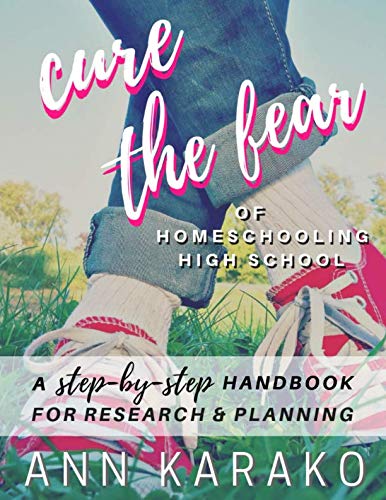
 Cure the Fear of Homeschooling High School: A Step-by-Step Handbook for Research...
 For the Record: How to Give Grades and Organize Documentation while Homeschoolin...




 College-Prep Homeschooling: Your Complete Guide to Homeschooling Through High Sc...
 Prepare for College!: A Complete Guide to the College Admission Process for Home...
 Becoming Homeschoolers: Give Your Kids a Great Education, a Strong Family, and a...
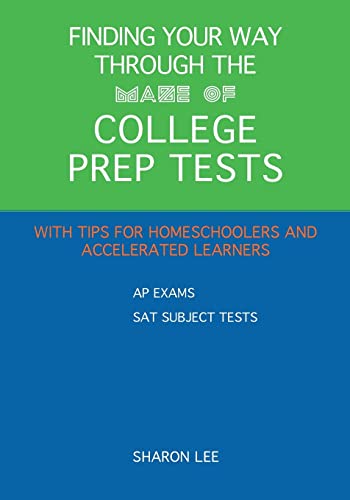
 Finding Your Way through the Maze of College Prep Tests: A Guide to APs and SAT ...
 Preparation for College Mathematics 2e Textbook
![GED Study Guide 2025–2026 [3 IN 1]: All Subjects | The Complete Prep Book with Lessons, Hundreds of Practice Questions, and 3 Full-Length Practice Tests to Pass on Your First Try](https://m.media-amazon.com/images/I/51MTEz5XDTL._SL500_.jpg "GED Study Guide 2025–2026 [3 IN 1]: All Subjects | The Complete Prep Book with Lessons, Hundreds of Practice Questions, and 3 Full-Length Practice Tests to Pass on Your First Try")