The Family Dinner Time Art Contest celebrates family dinner time and kicks off on Thanksgiving each year. Children may submit artwork of their family at dinner time to win a home computer. Artwork can be in any form, but must illustrate a family eating together. For sculptures and other difficult-to-ship items, please send a photo as opposed to the actual artwork. A winner will be selected from each age group: preschool ages 1-7; grade school ages 8-12; and high school ages 13 -17.
There seems to be a collective thought about money - that homeschoolers don't have any. Not only that, but because there is a belief that homeschoolers don't have any money, there seems to be an underlying assumption that resources, information, and services should be provided dirt cheap, if not for free. Why? What is it with homeschoolers and money?
The Numbers Plus Preschool Mathematics Curriculum is a comprehensive set of detailed plans for small- and large-group early childhood mathematics activities, with ideas for extending learning throughout the program day. What’s special about Numbers Plus is that children’s mathematical learning is sequenced within activities — each activity has a built-in progression so children of different developmental and ability levels can participate together and have a positive and meaningful learning experience. By actively engaging young children with materials and ideas, Numbers Plus builds on the latest knowledge from research and practice about early mathematics learning and how adults support it.
Every child is asked a thousand questions in his growing-up years. If that child happens to be homeschooled the tally rises to a million fairly quickly! You know how it is--you can't go through the check-out line in the grocery store without you and your children being riddled with questions. Homeschooled children are questioned by friends, by relatives, by people at church, by strangers, and occasionally by a TV reporter or a legislator. And sometimes well-meaning friends and relatives can't wait to get your children alone so they can find out what they really think and feel. You will be doing your children and yourself a great service if you teach them how to handle questions in a graceful, confident, knowledgeable way.
This is a list dedicated to achieving a deeper understanding of a Radical Unschooling lifestyle with young children. It is geared towards thoughtful discussion and exploration of what Radical Unschooling looks like in the early years, from toddlerhood to around age 8 or so. Experienced and new Unschoolers can discuss how they made the transition from peaceful parenting to Unschooling in daily practice, when that transition occurred and what benefits children gain by Unschooling from the beginning.
 Ignite the Organizer in Your Child: Developing the Life Skills Required to Thriv...
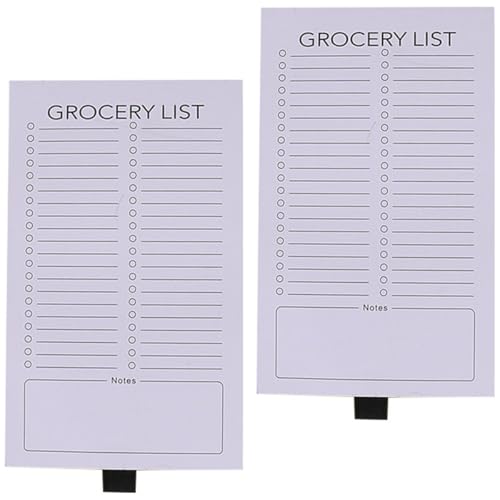
 Holibanna Magnetic Notepads for Refrigerator 2pcs Grocery List Pad with Magnet, ...
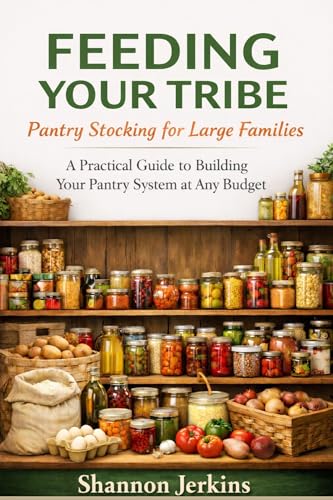
 FEEDING YOUR TRIBE: PANTRY STOCKING FOR LARGE FAMILIES: A Practical Guide to Bui...
 Meal Planner: Plan Your Meals Weekly (52 Week Meal Planner) Includes Bi-Weekly K...


 Sourcebooks 2023 Amy Knapp's Family Organizer: 17-Month Weekly Mom Planner ...
 2024 Amy Knapp's Big Grid Family Organizer Wall Calendar: 17-Month Giant Fr...
 Adult Life Skills for Older Teens - Home: Learn to Cook, Maintain a Home, Rentin...

